

Chimney Safety


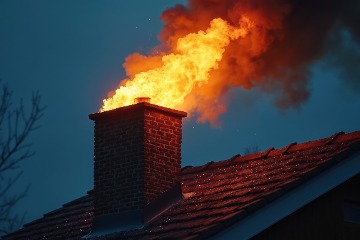
Chimney fires are common during the winter months. These fires can be very damaging to a home or building and often go unnoticed. These fires can result from improper care and maintenance.
Safety Tips
- Have your chimney inspected annually before each use.
- Check stove pipes and connections to ensure screws fit tightly at every joint.
- Keep all vents free of debris, ice, and snow.
- Protect walls and floors from heat and sparks by using proper fitting screens around fireplaces.
- Keep all combustibles away from fireplaces.
- Allow ashes from fireplaces to cool before emptying them into a metal container with a tight-fitting lid. Keep the container outside.
Signs of a Chimney Fire
- “Puffy” creosote (residue), with rainbow-coloured streaks that has expanded beyond creosote’s normal form.
- Warped metal (on the damper, smoke chamber, connector pipe or factory-built metal chimney).
- Cracked or collapsed flue (structure that leads outside) or tiles with large chunks missing.
- Discoloured/distorted rain cap.
- Creosote flakes and pieces on the roof or ground.
- Roofing material damaged.
- Cracks in exterior masonry.
- Evidence of smoke escaping through mortar joints of masonry or tole liners.
If you think a chimney fire has occurred, call a WETT Certified Chimney Sweep for a professional evaluation.
Contact Us
Our Customer Service Team is here to help!


