

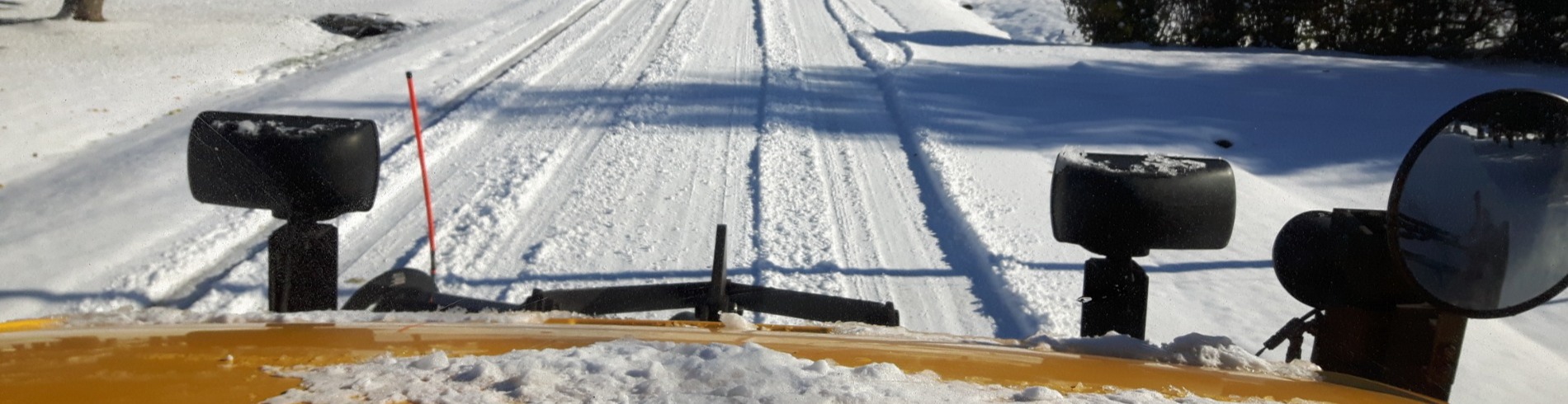
Snow Clearing


The Town offers a Snow Removal Financial Assistance Pilot program to help seniors and residents with disabilities cover snow removal costs during winter. Learn more.
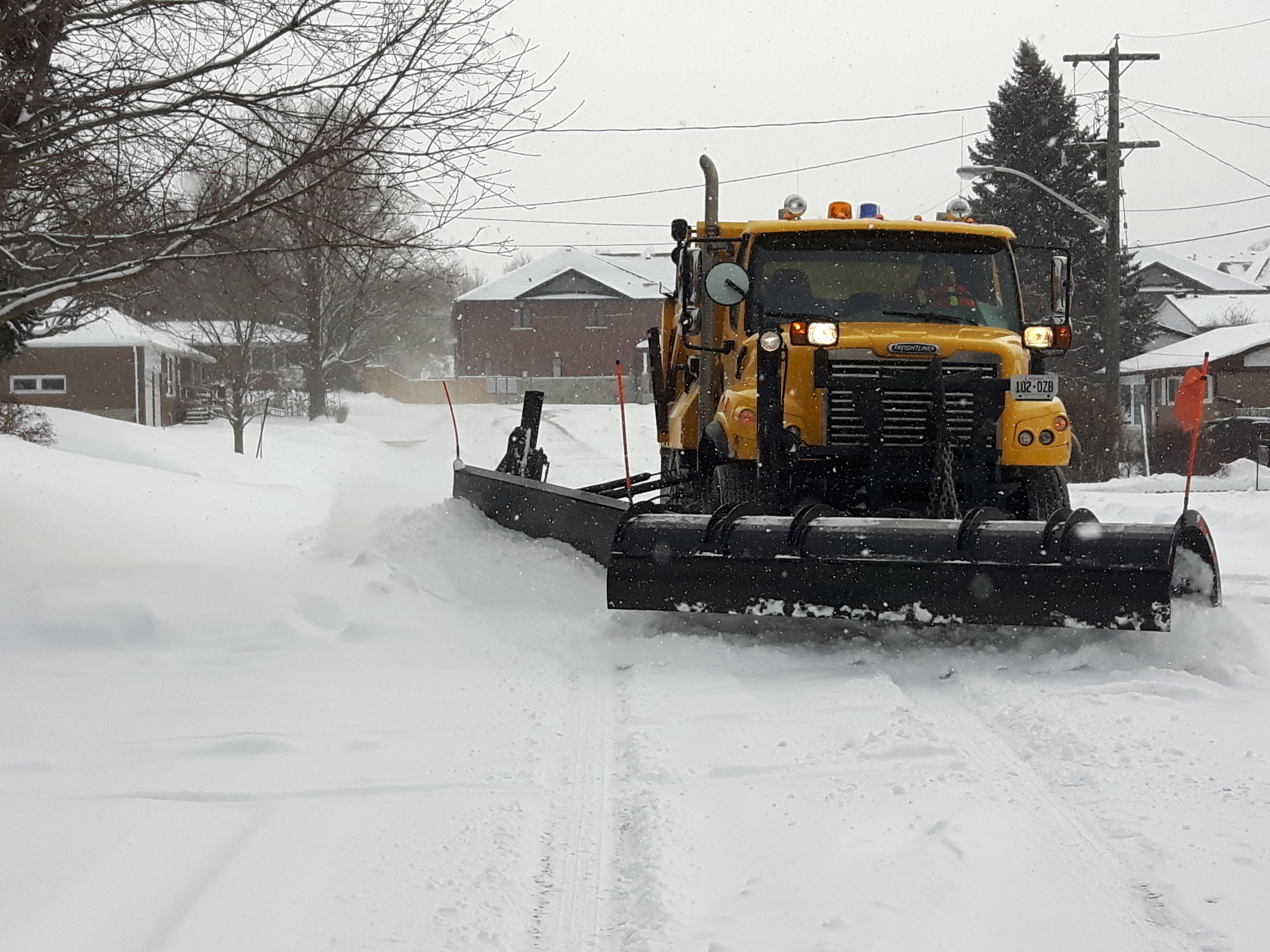
Who Clears the Snow?
Snow clearing responsibilities are shared between:
- East Gwillimbury (EG)
- Clears snow on collector and local roads with lower traffic volumes. Collector roads include Doane Road, Boag Road, and Holborn Road. Local roads include King Street in Mount Albert, Farr Avenue in Sharon, and Sand Road in Holland Landing.
- EG also clears snow on all sidewalks, regardless of the road they are beside.
- York Region
- Clears snow on primary and arterial roads with the highest traffic volumes, such as Leslie Street, Woodbine Avenue, Warden Avenue, McCowan Road, and Kennedy Road.
- The Province of Ontario
- Clears and maintains Highway 404
Town crews work hard to clear roads and sidewalks as quickly and safely as possible. EG maintains approximately 458 lane kilometres of roads and 110 kilometres of sidewalks. Thank you for your patience during winter weather.
To report a snow related concern on primary roads, please call the Region of York at 905-830-4444 Ext. 75200. To report snow related concerns on collector or local roads, please call Customer Service at 905-478-4282.
Winter Maintenance
Town roads are monitored daily for snow and ice. Based on road conditions, winter maintenance activities begin as needed. Salt/sand trucks are dispatched when snow starts to accumulate or icy conditions develop. In some cases, roads may be treated with salt, sand, or salt brine before a forecasted snow or ice event.
Plowing begins when eight centimeters of snow has accumulated.
- Secondary roads are plowed when snowfall reaches eight centimeters (three inches) and within 12 hours of the end of a snow event. These roads are cleared before local roads.
- Local roads are plowed after secondary roads when snowfall reaches 10 centimeters (four inches), typically within 12 hours of the end of the storm. Heavy or consecutive snowfalls may extend these timelines.
- Sidewalks are treated with salt or sand when icy conditions exist and are plowed after two and a half centimeters (one inch) of snow, usually within 24 hours of the end of the storm. Sidewalks near schools and bus stops are cleared first. Heavy or consecutive snowfalls may delay clearing.
How You Can Help
- Clear snow, ice, and debris from catch basins so snowmelt and rainwater can drain properly.
- Remove vehicles from the street during snow clearing operations. Vehicles left on the road may be ticketed.
- Do not let parked vehicles overhanging the road or sidewalk.
- Do not shovel or blow snow onto the road or onto neighbouring properties.
- Do not place snow or ice in ditches or anywhere it could block culverts or drainage outlets.
- Snowplows push snow to the curb and the end of driveways. Removing snow from the windrow is the property owner's responsibility.
- When shovelling, pile snow on the right side of your driveway (when facing the road) to help reduce the amount of snow pushed back by the plow.
- Keep fire hydrants clear of snow.
Salt Smarter: Protect Our Waterways
Salt is helpful for winter safety, but when we use too much, it harms our environment. Once salt enters our lakes, rivers, and groundwater, it never goes away. Salt impacts drinking water, wildlife, and infrastructure. Together, we can keep our properties safe and help protect our watershed. Join the movement to protect our watershed.
| Tips for Residents |
Did you know?
|
Frequently Asked Questions
| What is snow pack? |
|
Snow pack is hard-packed snow on a roadway. It is a condition that can be expected periodically on local roads that develops quickly as vehicles travel on snow-covered roads and snow plows cannot scrape it off as it is bonded to the pavement. |
| Why does the snowplow leave snow at the end of my driveway? |
|
A snow windrow is the pile of snow that accumulates at the end of driveways when the road is plowed. Plow operators do not intentionally block driveways, but they have limited control over the amount and direction of snow that comes off the plow. When clearing the end of your driveway, try to pile the snow on the right side (standing in your driveway looking towards the street). This can help reduce the amount of snow that is pushed onto your driveway when a snowplow passes. The Town does not clear driveways. If you live on a corner property and the driveway is close to the corner, you can experience a buildup of more snow on your driveway than your neighbours. This is an unavoidable condition caused by the nature of the snowplow and its ability to maneuver turns. |
| When are transit stops cleared? |
|
York Region Transit clears snow from transit stops. If you have questions regarding a transit stop, contact 1-866-MOVEYRT (668-3978). |
| Why can't I push snow out onto the road? |
|
Depositing snow or ice on the street creates hazardous traffic conditions and this could result in an accident. Under our Encumbering a Highway By-Law #96-31, snow is not permitted to be deposited onto the roadway. Please make sure your snow removal contractor is also aware that this practice is unsafe and not permitted as per the By-Law. |
| Damage to mailboxes and grass |
|
Mailboxes If your mailbox has been damaged during snow removal, staff will inspect the damage to determine the cause. If the damage was caused from contact with the plow, the Town will replace it with a standard mailbox on a 4"x 4" post. The Town does not repair or replace mailboxes knocked over by snow that is thrown off the plow blade. Grass While operators try to be careful, some degree of damage is unavoidable. Sidewalk plows must be large enough to move deep heavy snow the full width of the sidewalk. Deep or drifted snow conditions often hide the sidewalk edge and, unfortunately, the plow can cause damage to grass. When sod is frozen, damage is minimal; however, when sod is not frozen, it lifts away very easily. Report a damaged mailbox or sod by emailing Customer Service or calling 905-478-4282. |
Contact Us
Our Customer Service Team is here to help!


